

Why Dairy and Calcium Rich Foods Block Absorption
At breakfast she popped her pill with a glass of milk, expecting relief; instead she felt frustrated when the doctor said the antibiotic might not work as well. It's easy to imagine routine meals sabotaging treatment because foods we trust can change how much drug reaches the bloodstream.
Calcium in milk and dairy binds tetracycline-class drugs in the gut, forming insoluble chelates that prevent absorption. The interaction lowers effective blood levels and can prolong infection or invite resistance. To reduce risk, take the antibiotic one hour before or two hours after dairy, or follow specific timing guidance from a pharmacist or physician. If avoiding dairy is hard, clinicians can recommend practical alternatives or schedules too.
| Food | Recommendation |
|---|---|
| Milk, yogurt, cheese | Separate by ≥2 hours or take antibiotic earlier |
Antacids, Iron, Zinc: Supplements That Lower Levels

When you reach for common supplements during an infection, minerals can quietly steal the show: calcium, magnesium and iron bind to doxycycline in the gut and form inactive complexes, sharply reducing vibramycin absorption. That means a pill swallowed together with an antacid or an iron tablet might never reach therapeutic levels, risking treatment failure. Timing and awareness matter more than you’d expect.
Practical steps help: take vibramycin at least two hours before, or four to six hours after, any mineral-containing supplement or antacid; use alternative time-released products only after consulting your clinician. If you’re using multivitamins, read labels for mineral content and tell your prescriber about all over-the-counter products. For people with chronic iron therapy or antacid dependence, clinicians may choose different antibiotics or adjust dosing to secure effective therapy. Prompt communication with your provider prevents problems and improves outcomes.
Medications That Interfere: Warfarin and Birth Control
During treatment with vibramycin, interactions can alter other medications' effects. One notable risk is an increased anticoagulant response when combined with warfarin, which can heighten bleeding and demands INR monitoring.
Another concern is hormonal contraception; while most data show limited impact, breakthrough bleeding and reduced efficacy have been reported anecdotally. If pregnancy prevention is critical, consider using a backup non‑hormonal method during therapy.
Always tell your clinician about all medications and supplements, and request dose adjustments or extra labs as needed to stay safe. Carry an updated medication list daily.
Serious Danger Pairing: Isotretinoin and Intracranial Hypertension
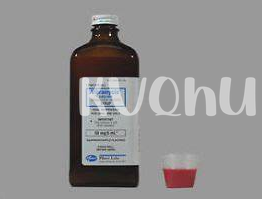
I remember a patient who described a thunderous headache and blurred vision after starting acne therapy; clinicians must treat such stories seriously because combining certain acne drugs with tetracyclines like vibramycin can precipitate intracranial hypertension. This rare but dangerous condition mimics a brain tumor, causing severe headaches, visual disturbance, nausea, and vomiting. Prompt recognition prevents permanent vision loss.
Because of that risk, isotretinoin should not be prescribed with tetracyclines; if both have been taken, stop antibiotics and seek emergency evaluation. Eye exam, neuroimaging, and lumbar puncture may be needed. Discuss alternative acne regimens and ensure clinicians and patients are aware of interactions to avoid catastrophic outcomes. Report any concerning symptoms to your provider without delay.
Avoid Combining with Beta Lactam Antibiotics
When treating infections, mixing vibramycin with certain beta-lactam drugs can complicate therapy. Clinically, overlapping mechanisms and timing differences may reduce efficacy or obscure which agent is working, increasing side-effect risk. Discuss options with your prescriber to ensure safe sequencing and monitoring.
Avoid simultaneous use without guidance: pharmacokinetic interactions can alter absorption, distribution, or bacterial coverage, leading to treatment failure or antibiotic resistance. Your clinician may stagger doses, switch classes, or adjust therapy based on culture results and patient factors to maintain effectiveness and minimize harm and preserve future antibiotic options.
| Concern | Recommended Action |
|---|---|
| Overlapping coverage | Review necessity of combination; narrow therapy if possible |
| Altered outcomes | Stagger dosing or switch classes per prescriber guidance |
Sunlight and Tanning Beds Increase Photosensitivity Risks
A sunny afternoon can change quickly for someone on Vibramycin; the drug increases skin sensitivity, so even brief exposure may cause an exaggerated sunburn. This risk is higher in fair-skinned individuals.
Tanning beds pose the same or greater risk because concentrated UVA accelerates photosensitive reactions; users often underestimate indoor ultraviolet intensity. Even early morning or late afternoon exposure can provoke reactions.
Symptoms include redness, blistering, and long-lasting hyperpigmentation; stop the medication and seek medical advice if severe reactions occur, especially with fever or vision changes.
Practical steps: avoid peak sun hours, wear broad-spectrum SPF, protective clothing, and sunglasses; inform dermatologists and carry instructions to limit exposure. Read label warnings. MedlinePlus: Doxycycline PubChem: Doxycycline